There’s a familiar pattern emerging in the debate over infrastructure permitting.
A report is released. A hearing is held. An op-ed (or two, or three, or four) appear. Before long, Section 106 of the National Historic Preservation Act is cast as one of the chief reasons America can’t build.
It’s a compelling narrative, but if we’re going to rewrite a law that has guided federal decision-making for nearly sixty years, we should expect something more than compelling stories. We should expect evidence – not a handful of controversial projects, hypothetical scenarios, or isolated examples that reinforce an existing belief. One expects DATA.
A recent article proposing significant reforms to Section 106 raises worthwhile ideas like greater investment in State and Tribal Historic Preservation Offices and investments to modernize technology. Those aren’t controversial or groundbreaking recommendations; preservation advocates have been making them for years.
But the report also advances a much larger claim: that Section 106 has evolved from a procedural consultation requirement into a substantive barrier to infrastructure development.
That’s an extraordinary claim which demands extraordinary evidence. Unfortunately, evidence is lacking.
The report itself isn’t really the point. It simply reflects a broader trend: increasingly confident assertions that Section 106 is a major cause of permitting delays, often without equally comprehensive evidence.
A Handful Of Projects Doesn’t Prove A Nationwide Problem
Many recent critiques rely on a small number of high-profile infrastructure projects to argue that Section 106 has become unmanageable.
Those projects certainly deserve examination, but they don’t answer the larger question.
Every year, State Historic Preservation Offices review well over 100,000 federal undertakings. The overwhelming majority do not result in litigation. Most conclude without controversy, and in fact, many end with findings of either “No Historic Properties Affected” or “No Adverse Effect.”
Those projects rarely make headlines because they aren’t controversial – and that’s precisely why they matter.
A regulatory program should be evaluated based on how it performs across the full universe of projects, not solely by examining the handful that were always destined to be difficult.
If the argument is that the system itself is broken, it should be a requirement to demonstrate that the exceptional cases are representative.
Consultation Isn’t The Same Thing As Control
One recurring theme in today’s permitting debate is that Section 106 has evolved from a procedural consultation requirement into a substantive obstacle.
Remember, it is federal agencies that make the decisions (not State Historic Preservation Officers, the Advisory Council on Historic Preservation, or consulting parties). Consultation can positively influence a project’s design, alignment, or mitigation, but that is not evidence of a veto.
It is evidence that informed decision-making occurred before irreversible damage was done – and that distinction matters.
Critics sometimes point to Areas of Potential Effects that “balloon to the size of small states.” That description risks leaving readers with the impression that preservation officials arbitrarily enlarge review areas.
An Area of Potential Effect is determined by the nature of the undertaking and where that undertaking may directly or indirectly affect historic properties.
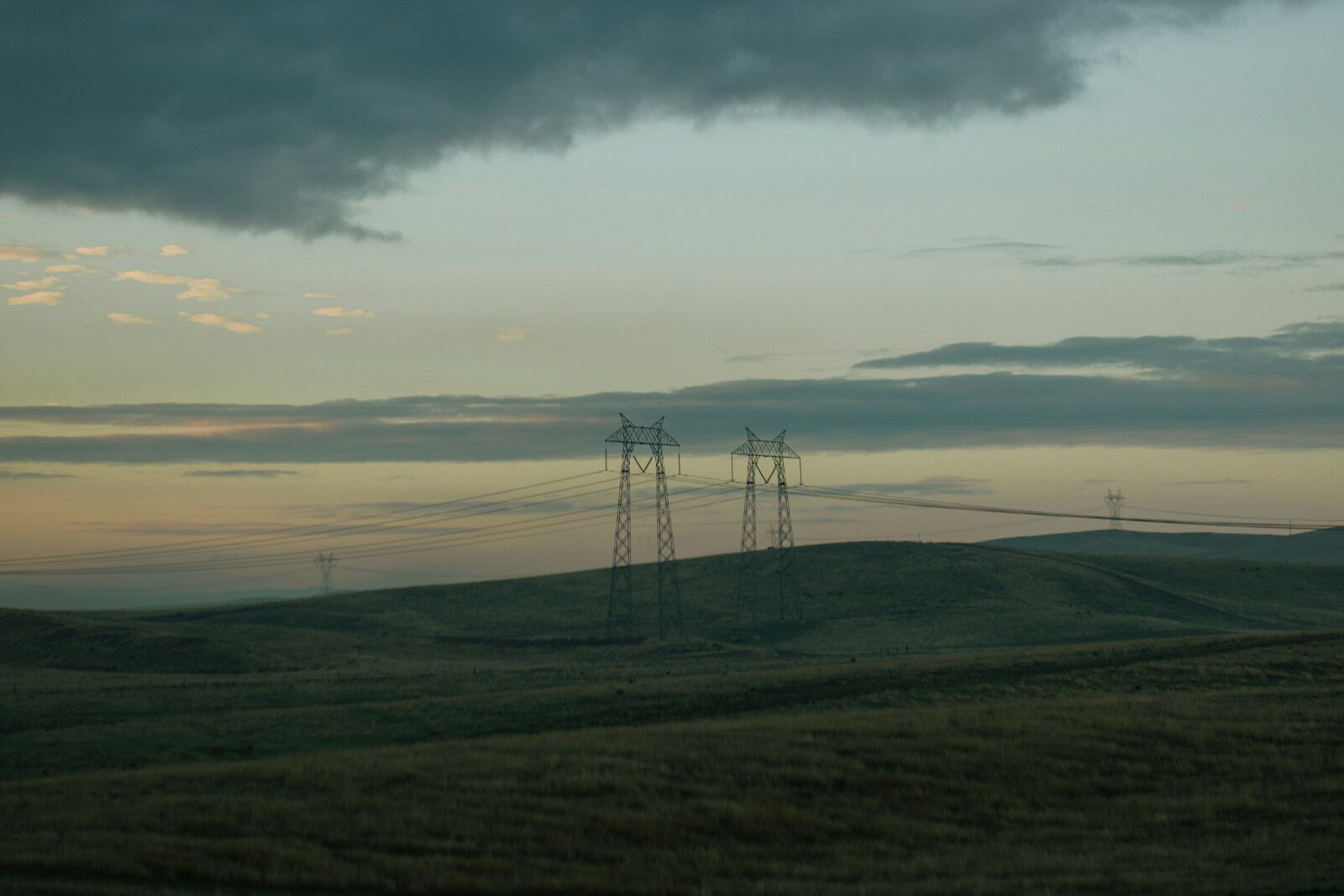
A courthouse rehabilitation doesn’t present the same potential effects as a 500-mile transmission line. A rural bridge replacement isn’t evaluated the same way as a major interstate expansion.
Larger projects often require broader areas of review because larger projects create broader potential effects. That reflects the regulations’ project-specific approach, not an expansion of preservation authority.
Selective Examples Don’t Establish A Trend
It’s also easy to assemble examples of negotiated mitigation measures that sound unusual in isolation. That’s effective rhetoric, but isolated examples don’t tell us whether those outcomes are common, required, or representative.
Any regulatory program can be made to look unreasonable if judged solely by its most unusual outcomes. That doesn’t necessarily describe how the process ordinarily functions.
The same is true of references to large cultural landscapes and Traditional Cultural Properties. These are not recent inventions or regulatory loopholes. They reflect decades of National Register guidance and congressional recognition that places significant to Tribal communities may not fit neatly within conventional definitions of historic resources.
Reasonable people can debate how these concepts should be applied.
That’s a different argument from suggesting they are evidence that Section 106 has somehow drifted beyond the law.
A now widely reported solution deserves unequivocal support:
Investing in SHPO (and THPO) capacity
If review delays are a concern, providing agencies and preservation offices with modern technology, adequate staffing, and predictable funding is a far more evidence-based place to begin than assuming the statute itself is the problem.
If Serious About Reform, Start With Evidence
Few working in historic preservation believe Section 106 is perfect. There are opportunities to improve consistency, modernize technology, expand the use of Programmatic Agreements, improve agency coordination, and reduce unnecessary duplication.
Those conversations are worth having, but meaningful reform begins with an honest diagnosis.
If one is going to conclude that Section 106 has become one of the nation’s principal obstacles, there needs to be nationwide data demonstrating where delays actually occur. That means identifying how often Section 106 itself (not engineering, financing, environmental review under other statutes, litigation, or agency capacity) is the controlling factor. In other words, show your work.
Because public policy should be built on evidence, not assumptions. And proposals to fundamentally reshape one of our nation’s cornerstone historic preservation laws should meet that same standard.